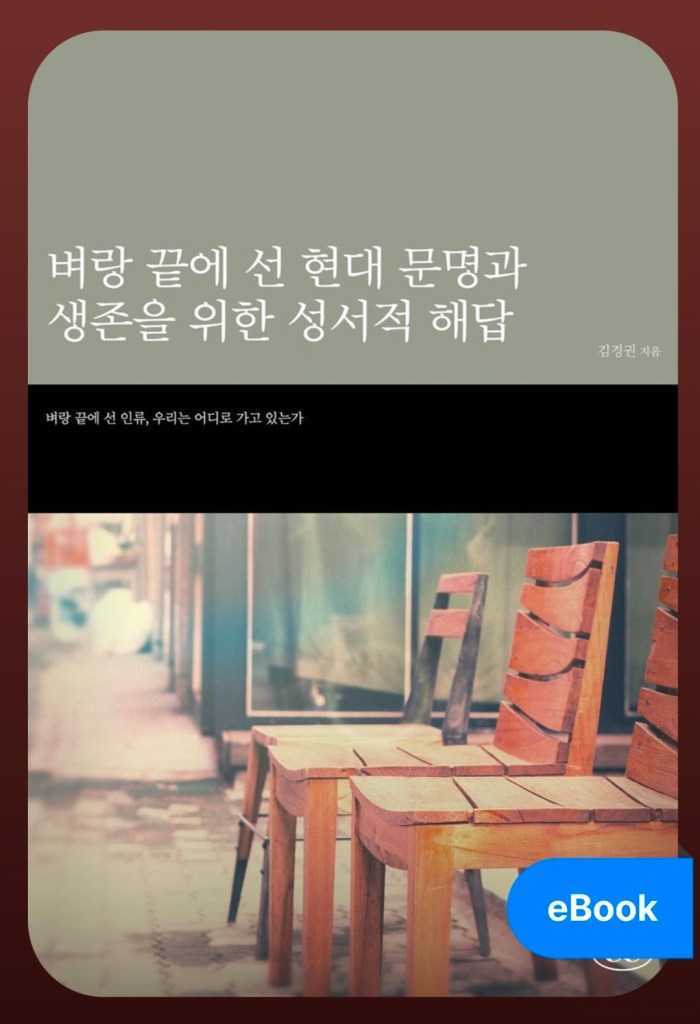
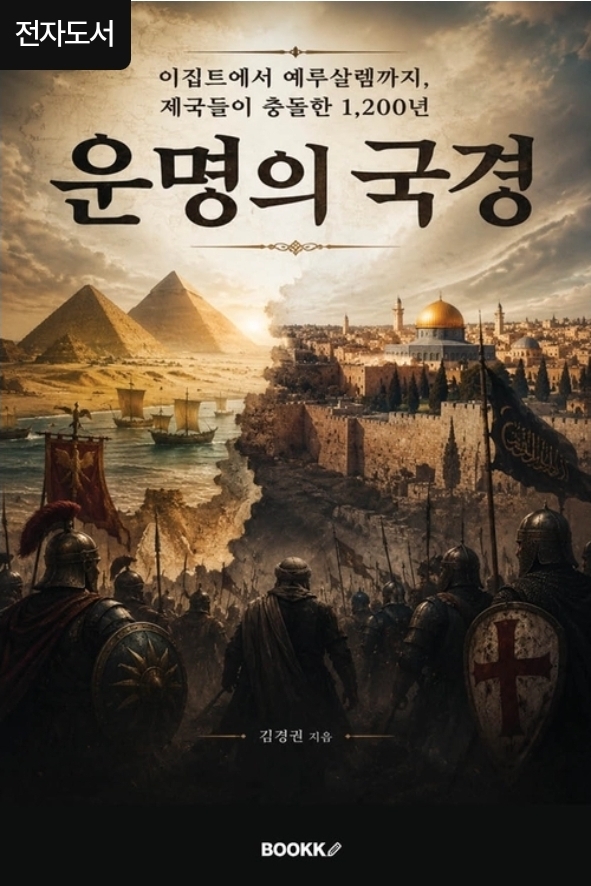
김경권의 믿음과 사유

이 페이지는 성경과 역사를 함께 사유해 온 김경권 작가의 신앙 여정과 학문적 배경, 그리고 글을 쓰게 만든 물음들을 소개합니다. 특정 교단이나 이론을 대변하기보다, 평범한 사람들의 믿음과 선택이 어떻게 시대를 만들었는지 묻고 또 묻어 온 한 연구자이자 작가의 발자취를 담았습니다. 독자 여러분은 여기에서 제가 어떤 전공을 했는지, 어떤 문제의식을 품고 책을 집필해 왔는지, 그리고 앞으로 어떤 방향으로 생각을 나누고자 하는지를 차분히 살펴보실 수 있습니다. 이 소개가 저를 ‘정답을 말하는 전문가’가 아니라, 함께 배우고 질문을 나누는 동행자로 만나게 하는 작은 창이 되기를 바랍니다.
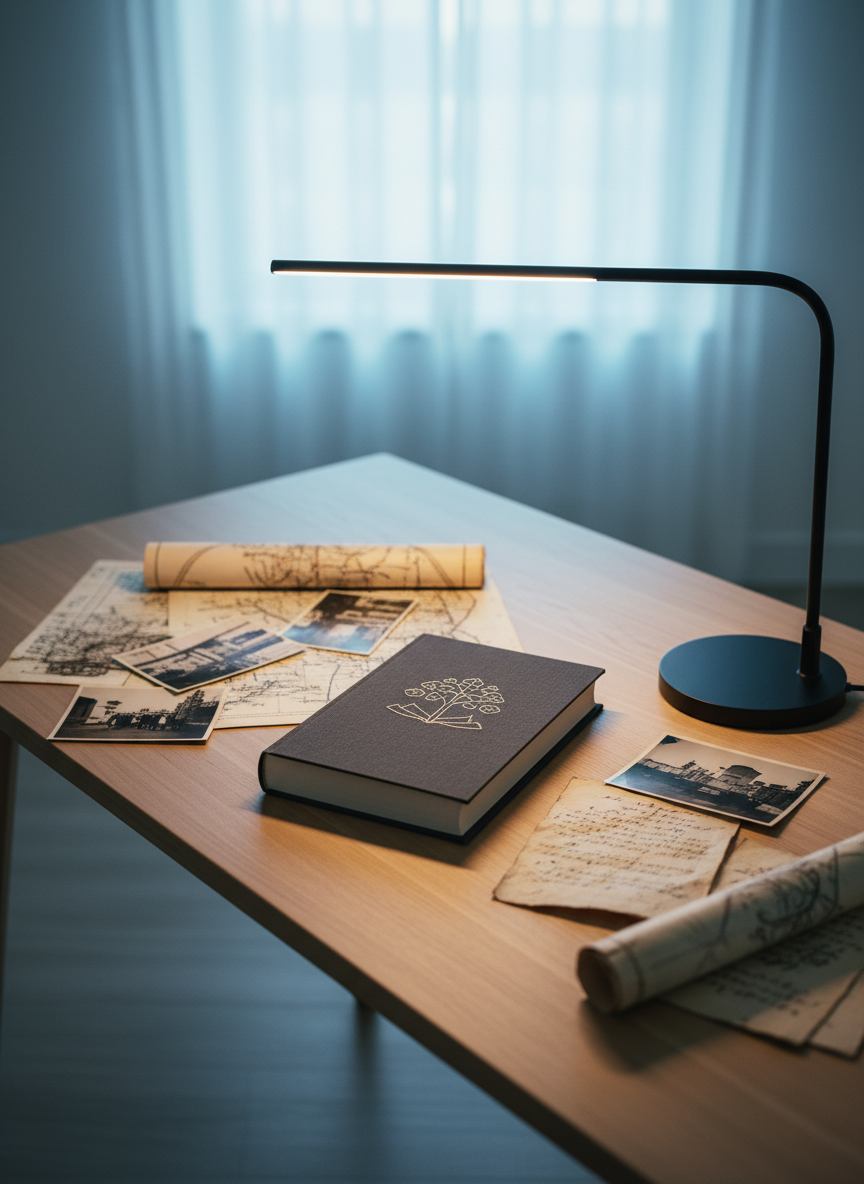

An elegant reading table in a minimalist study, featuring a single, closed, dark‑cloth book embossed with a subtle, abstract emblem instead of text, representing the collected works of a Korean author on history and Scripture. Around it lie scattered archival photographs, old maps, and parchment‑like pages with faint, non‑legible markings alluding to historical research. A slim, modern desk lamp casts warm, focused light on the book’s textured cover, while cooler ambient light from a distant window balances the scene. Photographic realism with a slightly elevated angle, using the rule of thirds to place the central book, creates a mood that is sophisticated, introspective, and scholarly, emphasizing the intersection of research, belief, and careful authorial choice.
A carefully arranged wooden writing desk symbolizing the official homepage of author Kim Kyung-kwon, topped with an open, well‑worn leather‑bound Bible and a thick history volume facing each other, their pages filled with dense, illegible script. A fountain pen rests precisely between them, suggesting the act of interpretation and choice. Behind, a tall bookshelf holds neatly aligned hardcovers, spines varied in deep navy, burgundy, and charcoal, hinting at the author’s complete catalog without readable titles. Soft morning light from a side window grazes the pages, casting gentle, contemplative shadows. Photographic realism, eye‑level composition, with shallow depth of field that keeps the books in crisp focus while the background melts into a calm, sophisticated blur, creating an atmosphere of thoughtful study and quiet faith.

작가 김경권 소개

성경과 역사를 함께 읽으며, 인간은 무엇을 믿어 왔고 그 믿음이 역사 속에서 어떤 길을 걸어왔는가라는 질문이 제 삶과 글쓰기의 중심에 자리 잡았습니다. 신학과 인문학을 두루 공부하며, 교회와 사회 현장에서 사람들의 신앙과 선택을 가까이 지켜본 경험은 저에게 한 가지 확신을 주었습니다. 역사를 움직이는 힘은 소수의 위인이 아니라, 이름 없이 살아간 보통 사람들의 믿음과 양심이라는 사실입니다. 이 페이지에서는 제가 걸어온 학문적 여정, 신앙의 고민, 집필에 이르기까지의 과정을 담담히 정리했습니다. 이를 통해 독자 여러분이 제 글을 더 깊이 신뢰하고, 함께 사유의 길을 걸어갈 동료로 저를 이해하실 수 있기를 바랍니다.
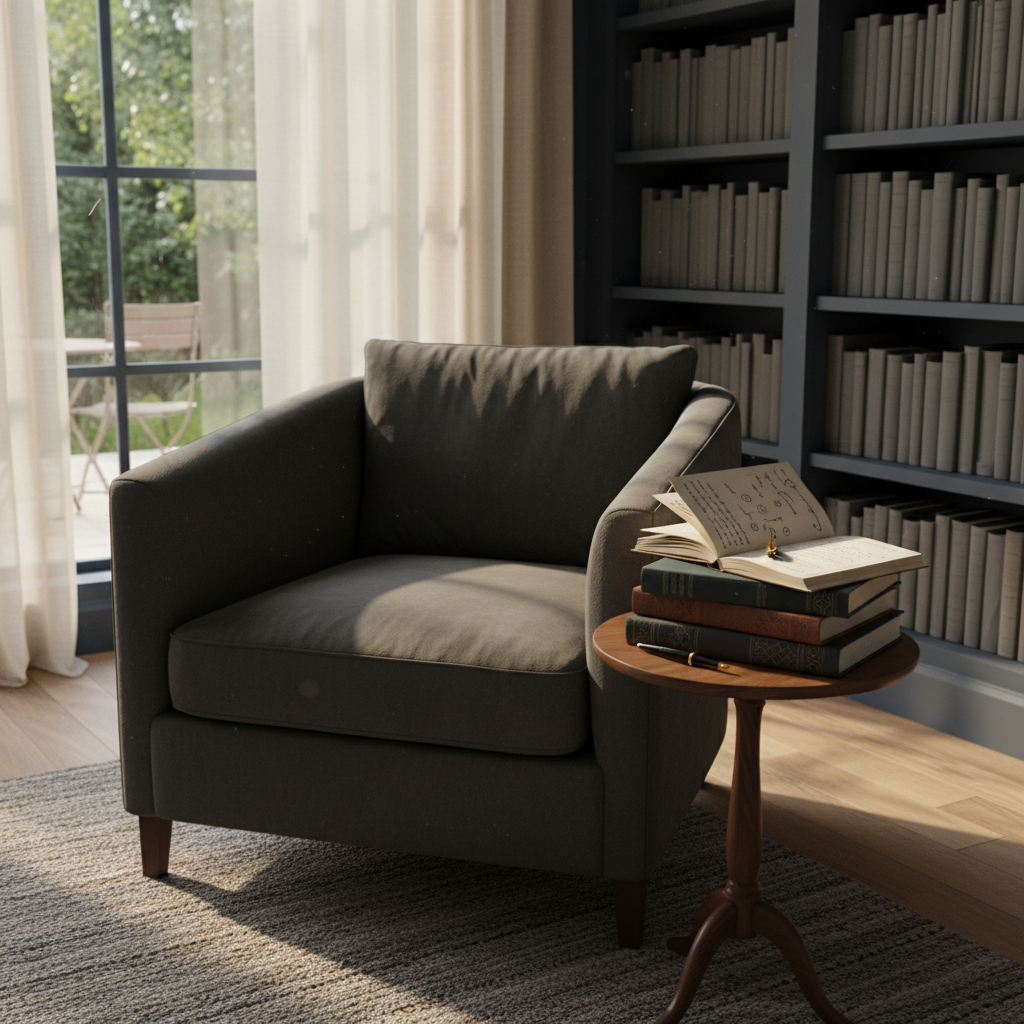
A quiet reading corner designed to reflect the inner world of a writer exploring faith and choice: a deep, charcoal‑gray armchair sits beside a small round side table holding a stack of cloth‑bound books on history and Scripture, their covers devoid of text but subtly patterned. An open notebook lies on top, its pages filled with faint, unreadable handwriting and small arrows, suggesting questions and decisions. Behind the chair, built‑in shelves house an orderly row of volumes, hinting at a complete body of work. Late afternoon light filters through sheer curtains, casting soft, golden patterns on the floor. Photographic realism, eye‑level framing, and a gently blurred background create a serene, introspective mood with a refined, sophisticated aesthetic suited for an author’s personal site.

믿음과 선택의 기록

저는 책상 앞에 앉을 때마다 한 사람의 인생을 바꾸어 놓는 것은 거대한 사건이 아니라, 작고도 구체적인 믿음의 선택이라는 사실을 떠올립니다. 역사를 공부하며 만난 수많은 이름 모를 이들의 눈물과 결단, 그리고 성경 속 평범한 인물들의 망설임과 순종이 제 글쓰기의 가장 깊은 동기가 되었습니다. 쓰는 일은 제게 과거를 정리하는 일이 아니라, 오늘을 사는 우리 각자가 무엇을 믿고 어떻게 선택할 것인지 함께 묻는 과정입니다. 이 공간을 통해 때로는 개인적인 이야기와 실패, 회심의 순간들을 나누고자 합니다. 완성된 해답을 제시하기보다는, 독자 여러분 각자의 경험과 길 위에 제 이야기가 작은 질문과 위로, 그리고 다시 걸어갈 용기가 되기를 소망합니다.
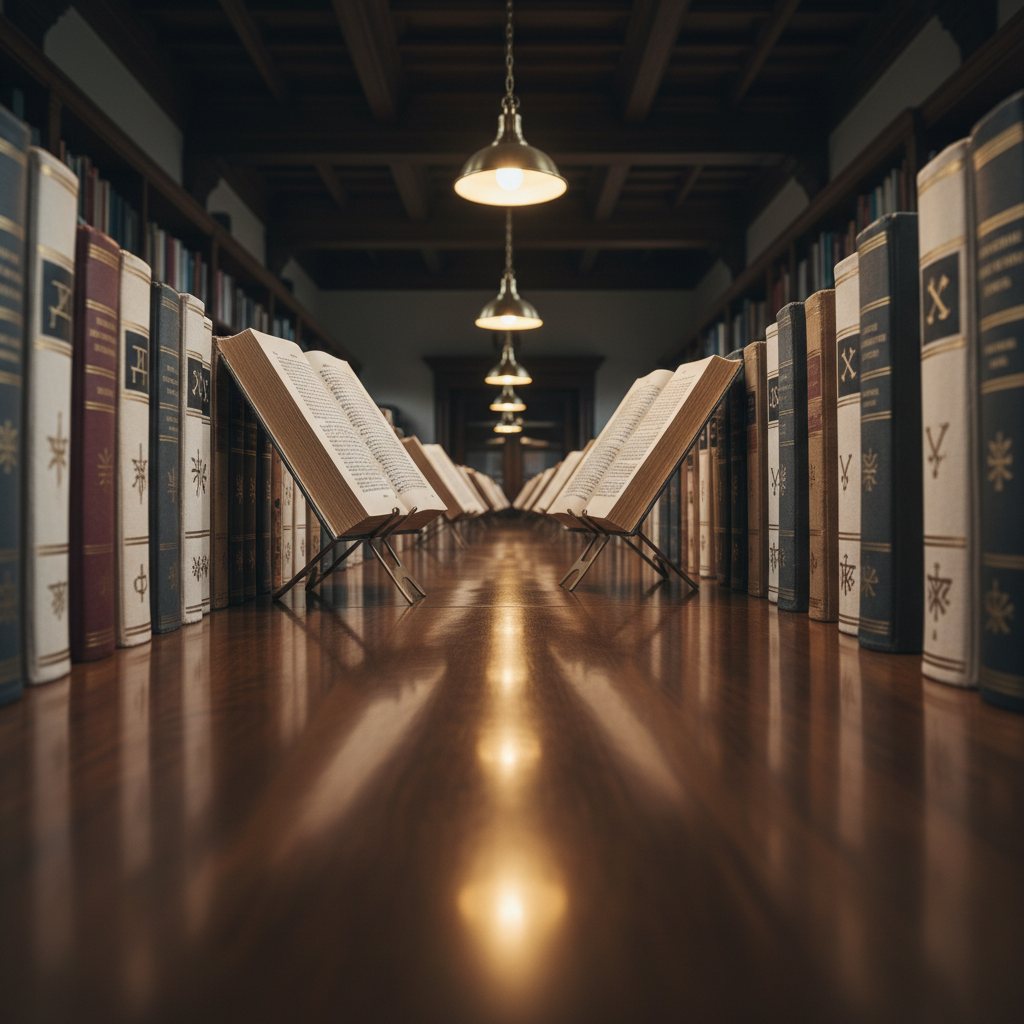
A long wooden table in a quiet library, covered with parallel rows of books in varying heights and neutral tones, arranged like a visual catalog of an author’s lifetime of work on history and the Bible. None of the spines contain readable text, only subtle decorative lines and symbols. Between the rows, small metal bookstands hold select volumes slightly open, revealing dense but illegible pages. Overhead, soft pendant lights cast a warm, even glow, creating delicate reflections on the polished tabletop. The camera is positioned low at one end of the table, producing a cinematic vanishing‑point effect that suggests depth, continuity, and legacy. Photographic realism and a calm, ordered atmosphere convey a sophisticated sense of completeness and quiet authority.
An elegant reading table in a minimalist study, featuring a single, closed, dark‑cloth book embossed with a subtle, abstract emblem instead of text, representing the collected works of a Korean author on history and Scripture. Around it lie scattered archival photographs, old maps, and parchment‑like pages with faint, non‑legible markings alluding to historical research. A slim, modern desk lamp casts warm, focused light on the book’s textured cover, while cooler ambient light from a distant window balances the scene. Photographic realism with a slightly elevated angle, using the rule of thirds to place the central book, creates a mood that is sophisticated, introspective, and scholarly, emphasizing the intersection of research, belief, and careful authorial choice.
A carefully arranged wooden writing desk symbolizing the official homepage of author Kim Kyung-kwon, topped with an open, well‑worn leather‑bound Bible and a thick history volume facing each other, their pages filled with dense, illegible script. A fountain pen rests precisely between them, suggesting the act of interpretation and choice. Behind, a tall bookshelf holds neatly aligned hardcovers, spines varied in deep navy, burgundy, and charcoal, hinting at the author’s complete catalog without readable titles. Soft morning light from a side window grazes the pages, casting gentle, contemplative shadows. Photographic realism, eye‑level composition, with shallow depth of field that keeps the books in crisp focus while the background melts into a calm, sophisticated blur, creating an atmosphere of thoughtful study and quiet faith.